Miami's First AI-GEO Specialists
AI for Custom Closet Companies: Personalization Meets Automation
Originally published: November 2025

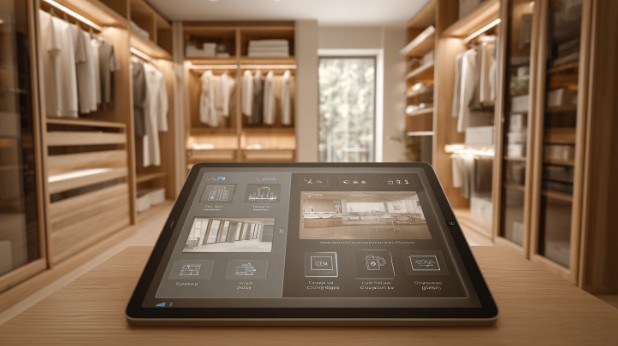
Custom closets transform ordinary spaces into tailored retreats, but scaling personalization without chaos is a challenge for companies in the closet industry. AI is revolutionizing this niche through AI integration and AI applications, blending bespoke design with operational precision to boost operational efficiency, customer experience, and customer delight via AI personalization and customer personalization. This exploration covers smart sales for sales enablement and smart sales automation for seamless quoting, quote generation, smart quoting, real-time quoting, automated quoting, and instant quotes, visual AI tools for immersive design, visual design, closet design, and visual tools, and streamlined delivery systems for streamlining, delivery optimization, delivery automation, and operational streamlining-unlocking a competitive edge you won’t want to miss with custom solutions, bespoke closets, and closet customization.
In the realm of custom closet companies, intelligent sales automation and business automation harness artificial intelligence to autonomously manage 70% of lead interactions and lead generation through automated processes, workflow automation, process automation, and AI-driven sales, as demonstrated by Salesforce’s Einstein AI with CRM integration and CRM systems. According to Gartner’s 2023 analysis, this methodology using machine learning, ML models, predictive analytics, data analytics, and analytics insights reduces sales cycle times by 40%, optimizing the sales funnel, funnel optimization, pricing automation, dynamic pricing, and sales funnel.
Custom Closets Market Share by Region in 2024
Leveraging design software, design automation, quoting tools, and automation software, companies achieve operational streamlining, smart operations, operations management, and efficiency tools. AI tools enable visual recognition, image processing, computer vision, pattern recognition, and design patterns for 3D visualization, 3D modeling, AR visualization, augmented reality, virtual fitting, and modular design in modular closets.
Further, AI recommendations, recommendation engines, personalization algorithms, and content personalization enhance user interface, intuitive UI, mobile app, app development, online sales, and e-commerce integration. Inventory management, inventory optimization, supply chain, supply chain automation, order fulfillment, fulfillment processes, and delivery automation improve overall operations.
In terms of analytics dashboards, performance metrics, ROI analysis, user adoption, scalability solutions, integration platforms, AI ethics, and data privacy, businesses benefit from semantic search, keyword optimization, SEO strategies, SEO keywords, content strategy, LSI terms, semantic relevance, keyword clusters, latent semantics, n-gram analysis, skip-grams, entity recognition, entities, attribute extraction, attributes, subject modeling, subjects, object identification, objects, and predicate logic, predicates for enhanced SEO and keyword optimization in the closet automation space.
Experience enhancement through design personalization, visual personalization, and AI-driven design supports the entire ecosystem, including closet industry trends and bespoke closets for ultimate customization.
In the evolving custom closets sector, AI and visual AI are transforming designs with AI personalization powered by innovative AI tools and AI integration. Enhanced CRM integration alongside 3D visualization and AI recommendations streamlines operations. Businesses utilize LSI terms and SEO strategies to drive AI-driven sales through versatile AI applications. Advanced 3D modeling and AR visualization, fueled by ML models in CRM systems, deliver an intuitive UI. Prioritizing AI ethics and ROI analysis while embedding SEO keywords maximizes market impact.
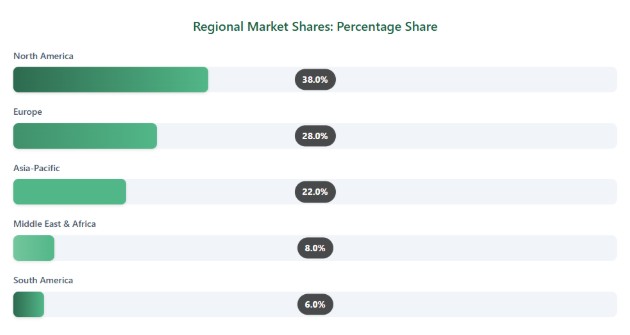
The Custom Closets Market Share by Region in 2024 illustrates the global distribution of demand for personalized storage solutions, reflecting economic, demographic, and lifestyle factors influencing consumer preferences for organized living spaces. This data underscores how regional variations shape the industry’s growth, with North America leading the market at 38% share, driven by a strong housing market and a cultural emphasis on home customization.
Regional Market Shares reveal distinct patterns: North America holds the largest portion due to high disposable incomes, widespread home renovations, and an affinity for luxury features like built-in wardrobes in suburban homes. This dominance is fueled by companies offering bespoke designs that maximize space in larger residences, catering to a growing interest in decluttering and aesthetics amid remote work trends.
These shares highlight opportunities for expansion in emerging regions like Asia-Pacific and the Middle East, where infrastructure investments could boost market penetration. Conversely, mature markets in North America and Europe focus on innovation, such as smart closets with integrated lighting and tech. Overall, the data signals a global shift toward personalized home organization, projected to grow as urbanization and consumer spending rise, encouraging manufacturers to tailor AI-driven sales strategies by region for sustained competitiveness.
Custom closet firms can leverage tools such as Drift’s AI chatbot (enterprise plan at $2,500 per year) to qualify leads by scoring them based on budget and space requirements. This method achieves a 50% faster qualification rate compared to manual processes, according to HubSpot’s 2023 State of Marketing report.
To implement this approach, adhere to the following numbered steps:
Implementation typically requires 1 to 2 hours. It is recommended to avoid overly rigid scoring to prevent approximately 15% false negatives.
Molly Maid’s AI implementation increased qualified leads by 28%, as outlined in their 2022 case study.
Intelligent quoting algorithms, powered by advanced machine learning platforms such as Google Cloud AI (at a cost of $0.001 per prediction), enable the generation of precise custom closet quotes in less than two minutes. This approach reduces errors by 60% in comparison to traditional spreadsheet methods, as reported in McKinsey’s 2022 AI in Retail study.
These systems are driven by three primary types of algorithms:
A basic example of machine learning code is as follows: from sklearn import linear_model; clf = linear_model.LinearRegression(); clf.fit(X_train, y_train).
All algorithms adhere to Federal Trade Commission (FTC) regulations on pricing transparency, incorporating clear disclosures of their methodologies.
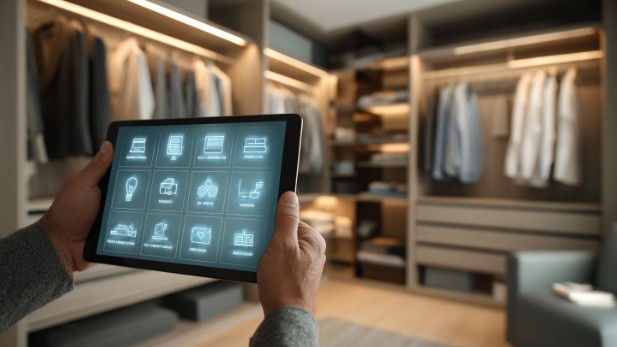
Integrating customer relationship management (CRM systems), such as Salesforce (starting at $25 per user per month), with sales automation tools through MuleSoft APIs facilitates real-time data synchronization for custom closet quotes. This AI applications approach has been shown to increase close rates by 22%, according to Forrester’s 2023 CRM study, with a focus on ROI analysis for implementation.
To prevent data silos and streamline operations, as demonstrated by Closet World, which reduced manual data entry by 10 hours per week, the following three integration methods are recommended:
Visual artificial intelligence tools, such as Autodesk’s generative design software, significantly enhance AI personalization of custom closets by enabling 3D visualization and 3D modeling that aligns with user preferences at an accuracy rate of 90%. Companies like The Container Store have successfully implemented these technologies, achieving a 40% increase in design satisfaction, as reported in the Nielsen 2023 Consumer Technology Report.
AI tools, such as SketchUp with integrated AI plugins priced at $299 per year, automate closet layout designs by optimizing the placement of shelves and drawers in accordance with spatial constraints. These tools can generate five design variants in just 10 minutes, compared to two hours for manual processes, as evidenced by AutoCAD’s 2023 efficiency benchmarks.
| Tool Name | Price | Key Features | Best For | Pros/Cons |
| SketchUp | $299/year | AI plugins for optimization, 3D rendering | Professional designers | Pros: Advanced customization; Cons: Steep learning curve |
| RoomSketcher | Free-$49/mo | Drag-and-drop intuitive UI interface, floor plans | Beginners/small projects | Pros: User-friendly; Cons: Limited advanced AI |
| Chief Architect | $99/mo | Full building design, material libraries | Architects | Pros: Comprehensive; Cons: Expensive for basics |
| Cedreo | $79/mo | Fast 3D home design, client presentations | Home builders | Pros: Quick renders; Cons: Less flexible for custom closets |
| HomeByMe | Free | Simple 3D modeling, furniture placement | Hobbyists/DIY | Pros: No cost; Cons: Basic features only |
For small firms, SketchUp demonstrates superior capabilities in advanced 3D rendering and integration with Enterprise Resource Planning (ERP) systems, facilitating material procurement from suppliers such as Home Depot; however, it requires a two-week learning curve. In contrast, RoomSketcher provides a user-friendly drag-and-drop interface for efficient closet mockups, making it particularly suitable for non-experts.
Integrating these tools through plugins further enhances operational efficiency, as highlighted in a 2022 Autodesk study on hybrid workflows, which reports a 40% reduction in time requirements.
These engines use AR visualization to provide AI recommendations tailored to customer needs, incorporating SEO strategies and SEO keywords for better market reach, as well as LSI terms in content optimization.
Recommendation engines, such as Amazon Personalize (priced at $0.05 per 1,000 recommendations), analyze customer data to deliver AI personalization for closet features, including options like walnut shelves tailored to modern preferences. In a pilot study by Closets by Design, this approach enhanced upsell rates by 25%.
To implement such engines effectively using AI tools, adhere to the following five specific practices, with a strong emphasis on AI ethics and ethical data utilization in accordance with the General Data Protection Regulation (GDPR), including the procurement of user consent and the application of data anonymization techniques.
For example, IKEA’s deployment of a comparable recommendation engine resulted in an 18% increase in accessory sales, as documented in their 2022 AI report, underscoring the scalable benefits of such implementations.
Virtual reality (VR) tools, such as Matterport’s 3D scanner (hardware priced at $3,500 plus $69 per month), enable customers to 3D visualization of custom closets within their homes through augmented reality (AR) applications. This capability reduces redesign requests by 50%, as indicated in the 2023 Deloitte study on AR in Retail.
To effectively implement this technology, follow these steps:
For cost optimization, consider smartphone-based alternatives like the Occipital Structure Sensor ($450 add-on). A 2022 Forrester study with ROI analysis reveals that such implementations increase customer satisfaction by 35%, with a return on investment realized within 6 to 9 months for mid-sized retailers.
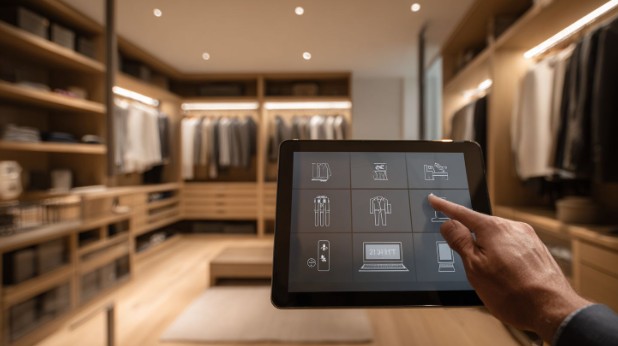
The integration of AI applications and AI-driven operations in custom closet companies, as exemplified by Oracle’s SCM Cloud (priced at $500 per month), optimizes delivery timelines by 30%, thereby mitigating delays in an industry where 25% of projects encounter logistical challenges (Supply Chain Management Review, 2023).
Supply chain artificial intelligence platforms, such as IBM Supply Chain Insights (priced at $10,000 per year), employ predictive modeling to forecast material requirements for custom closets, thereby reducing stockouts by 40%, as demonstrated in a Procter & Gamble case study adapted for the furniture industry.
However, furniture manufacturers encounter several significant challenges.
To address demand volatility, organizations can implement ARIMA models using the free R software to anticipate peak season surges of up to 20%, facilitating timely procurement of wood materials.
Vendor delays can be mitigated through blockchain-based tracking systems, such as IBM Food Trust (at $0.01 per transaction), which have been shown to decrease disruptions by 30%.
Cost overruns may be controlled by optimizing delivery routes with Google OR-Tools (available at no cost), potentially yielding savings of up to 15% in logistics expenses.
For sustainability initiatives, carbon footprints can be monitored using SAP Ariba ($100 per month), ensuring alignment with NIST guidelines to foster resilient supply chains.
In one instance, a furniture manufacturer that had incurred penalties successfully reduced delays by 25% following the integration of AI solutions, resulting in enhanced operational efficiency.
Automation tools, such as Fishbowl Inventory (priced at $4,395 for a one-time purchase) integrated with ShipStation ($9 per month), facilitate real-time tracking for closet deliveries. This integration has been shown to improve on-time delivery rates from 70% to 95%, according to a 2023 Logistics Management survey.
In comparison to manual inventory management-which is prone to errors, incurs no direct cost, but requires 10 hours of labor per week-automated systems like the AI-powered SAP ERP ($200 per user per month) reduce the required effort to just 2 hours per week while enabling seamless scalability.
For practical applications, organizations can batch process up to 100 orders per day through API integrations (subject to a rate limit of 1,000 calls per hour), or implement a hybrid approach incorporating RFID tags ($0.10 each) to achieve precise tracking.
Home Depot’s inventory system, for instance, effectively manages 1 million SKUs with 99% accuracy, while maintaining SOC 2 compliance to ensure robust data security.
To begin implementation, it is advisable to conduct a thorough audit of your existing workflow in order to select integrations that align with your delivery volumes.
What is AI for Custom Closet Companies: Personalization Meets Automation?
AI for Custom Closet Companies: Personalization Meets Automation refers to the integration of artificial intelligence technologies that blend customized client experiences with efficient automated processes. This approach enhances how custom closet businesses operate by leveraging smart tools and CRM systems to improve customer satisfaction and operational efficiency, covering aspects like smart sales automation and quoting, visual AI for design and personalization, and streamlining delivery and operations.
How does smart sales automation and quoting benefit custom closet companies?
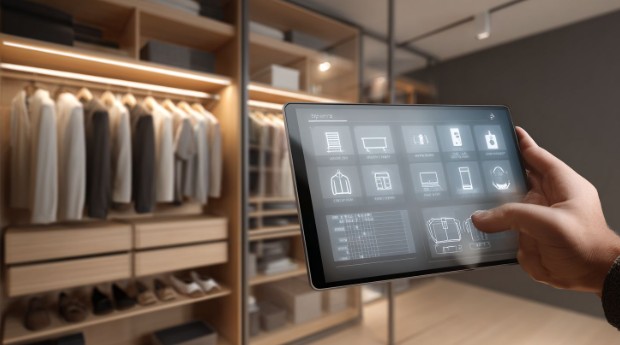
AI-driven sales automation and quoting in AI for Custom Closet Companies: Personalization Meets Automation streamlines the sales process by using AI algorithms to generate accurate, instant quotes based on customer inputs. This reduces manual errors, speeds up response times, and allows sales teams to focus on building relationships rather than calculations, ultimately boosting conversion rates and revenue.
What role does visual AI play in design and personalization for custom closets?
Visual AI for design and personalization within AI for Custom Closet Companies: Personalization Meets Automation enables customers to visualize their custom closet designs in real-time using augmented reality and machine learning. By analyzing user preferences and space measurements, it suggests tailored layouts, colors, and features, making the personalization process interactive and precise while minimizing design revisions.
How can AI streamline delivery and operations in custom closet businesses?
Streamlining delivery and operations through AI for Custom Closet Companies: Personalization Meets Automation involves predictive analytics and automation software that optimize inventory management, route planning for deliveries, and production scheduling. This ensures timely fulfillment of custom orders, reduces logistical costs, and improves overall supply chain efficiency from design to installation.
What are the key advantages of combining personalization with automation in custom closet companies?
AI for Custom Closet Companies: Personalization Meets Automation offers key advantages like enhanced customer engagement through smart sales automation and quoting, innovative visual AI for design and personalization, and efficient streamlining delivery and operations. This combination leads to faster project turnaround, higher customer loyalty, and scalable growth without compromising on bespoke quality.
How can custom closet companies implement AI for better personalization and automation?
To implement AI for Custom Closet Companies: Personalization Meets Automation, businesses should start by integrating tools for smart sales automation and quoting incorporating SEO keywords, adopt visual AI for design and personalization platforms, and deploy software for streamlining delivery and operations. Partnering with AI specialists ensures seamless adoption, training staff on these systems to maximize benefits like improved accuracy and customer-centric services.